HAVANA, Cuba — Those who imagined there would be a respite from the blackouts during these days, as Castroism celebrates the calamity of a birth that deserves no celebration, have once again come face-to-face with the sad reality of even more darkness and virtually no internet connection. And it is not because the lack of electricity and disinformation are among the “best” parts of Fidel Castro’s legacy—and that the “continuity” leadership therefore wanted to pay tribute to him by intensifying our daily suffering—but rather because it chose to spend the oil that should have gone to thermoelectric plants and public transportation, to pumping drinking water and producing food for the population, on lighting hotels and protocol residences, the halls of the Convention Palace, and the tourist sites where foreign communists and terrorists disguised as “progressives” have been taken on excursions while attending the conferences and fairs dedicated to Fidel Castro’s centenary.
There is enough fuel to celebrate a centenary in private and to guarantee the 1,500 liters of gasoline per day that—according to various sources consulted within the military apparatus itself—is consumed by the convoy of 52 military vehicles carrying the so-called “Black Berets”. Since June, they have been patrolling the streets of Havana every afternoon until dawn the following day, with the aim of intimidating the public and violently suppressing peaceful protests.
Even so, in addition to what they use for PNR patrol cars and the hundreds of motorcycles ridden by the political police’s enforcers, they have been able to allocate thousands more liters each day to protocol vehicles and taxis transporting foreign visitors, as well as buses that take them in the mornings to swim and sunbathe on the beaches of Playas del Este and Varadero and bring them back in the afternoons for banquets at El Laguito or the Hotel Nacional. A source at the latter confirms that, at the reception dinner alone for the International Colloquium “Fidel: Legacy and Future”, attended by only 60 of the approximately 900 foreign guests, the regime reportedly spent around $130,000 on beverages, meats, and cheeses served for the occasion.
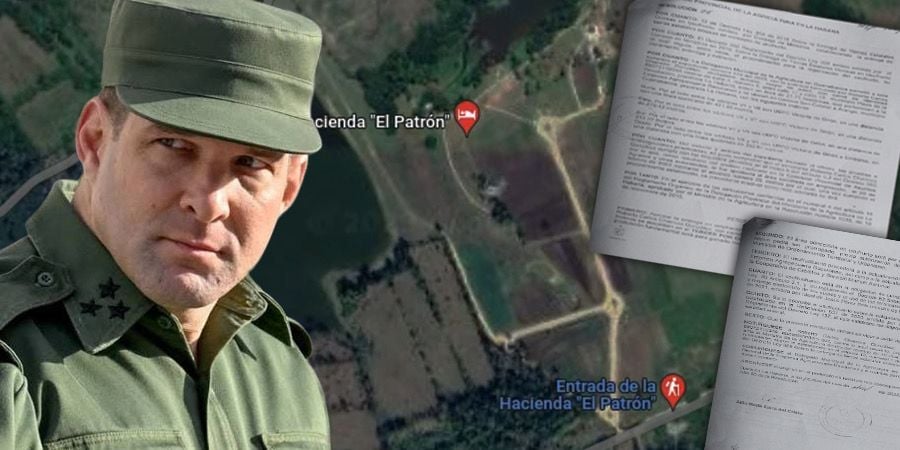
In addition to the Hotel Nacional—where most of those attending both the August 10 colloquium and the celebrations that have followed through today, the 13th, including the Book Fair, receive lodging and meals—similar banquets have been held at Hacienda El Patrón (on the morning of the 12th), the Packard Hotel (that same evening), and the Convention Palace itself. There, in less than a week, according to information provided to CubaNet by two employees in the facility’s administration, nearly 20,000 meals are expected to be prepared, either to be served in situ or sent—using the specialized transportation services of Palco S.A.—to other venues hosting events for Fidel Castro’s centenary.
According to two anonymous sources consulted within Palco S.A., which is responsible for managing the facility’s logistics, keeping the Convention Palace and its associated facilities operating in the days leading up to and during the centenary events—a period encompassing more than 30 days of uninterrupted work—has required more than 20,000 liters of fuel for generators and another 20,000 liters of gasoline for transportation alone. Thus, as far as the colloquium is concerned, this has translated into an outlay for the company of just over half a million dollars and some 20 million Cuban pesos which, according to the source, are being recorded as losses.
According to the Palco S.A. sources consulted by CubaNet, the company initially expected to generate revenue by selling tourism packages designed for participation in the colloquium. However, very few attendees purchased them, and the operation ultimately resulted in losses. Faced with the risk of low attendance and the event being practically empty, the sources explained, the decision was made to cover a large portion of the guests’ expenses.
Those who thought that Cuba’s communists had no fuel left to squander, after several months had passed since the last Russian tanker visited—and that they would not dare be so brazen as to go partying while millions of Cubans are desperate from hunger, thirst, and the miserable lives they endure amid intense heat and darkness, violence and garbage dumps, disease and shortages of medicine—now know that, yes, they still have some left in their “reserves.”
And it is not only oil that they hide from us and deny us, but also “grub” and high-quality gasoline, probably imported from the United States by “private” businesses. Apparently, then, they have more than enough for purposes beyond taking the lapdogs of the “global left” out on excursions and feeding them—people eager for Havana to once again become what it was 10 or 15 years ago: that cheap and hypocritical getaway where people could hustle and be hustled, corrupt and be corrupted.